Is AI Music Cheating?
by Slava Gu on Thu Dec 25 2025
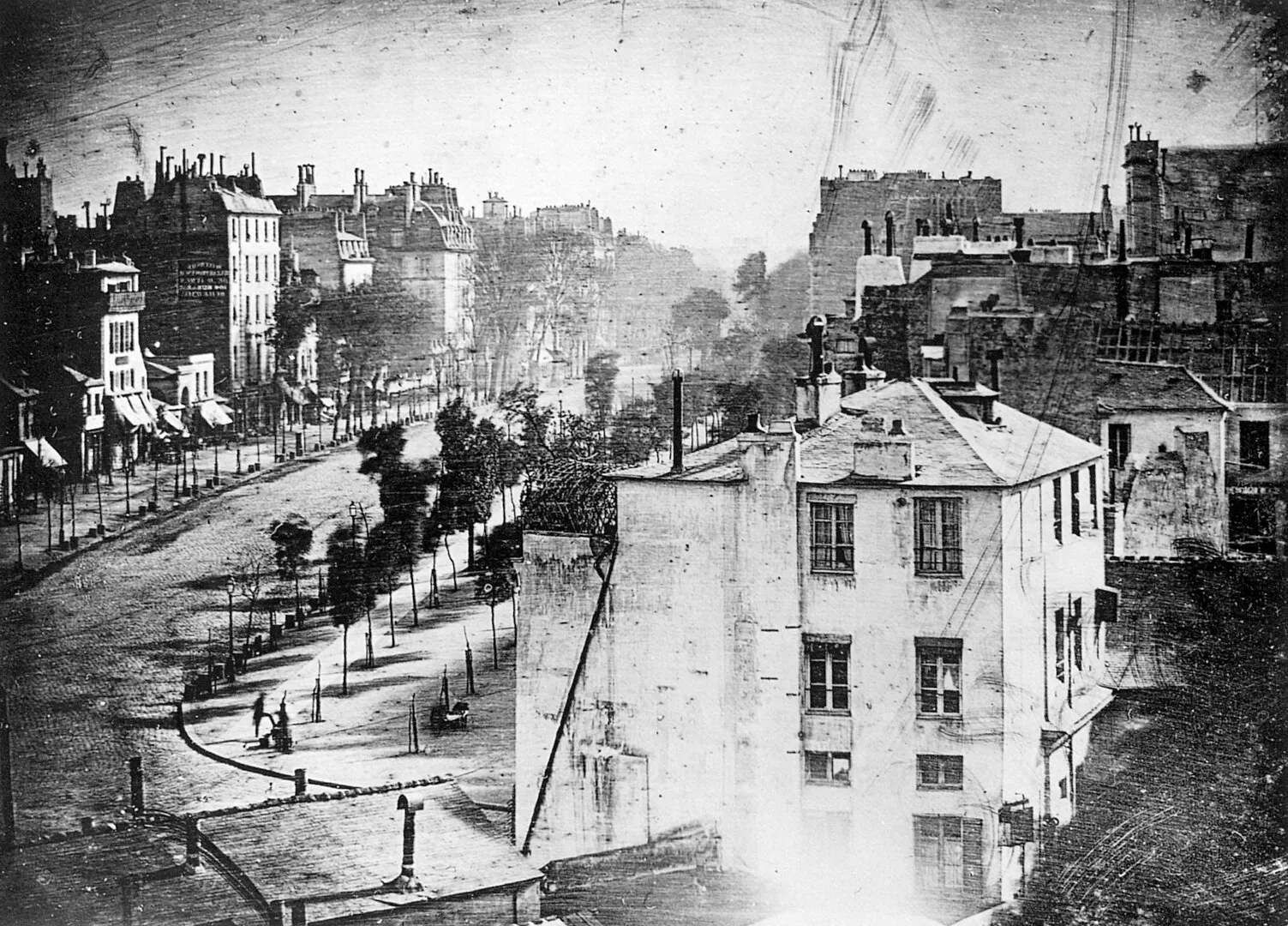
Photo of the Boulevard du Temple by Daguerre, Paris (1837), source: Wikipedia https://en.wikipedia.org/wiki/Daguerreotype
”From today, painting is dead!”
When French painter Paul Delaroche allegedly saw his first photograph in 1839, his proclamation echoed through Parisian salons like a death knell. Cameras, these soulless mechanical boxes, were going to destroy art itself.
What took a painter months could now be captured in minutes. The art world was in crisis.
Sound familiar?
The backlash wasn’t just artistic ego. Real livelihoods were at stake. Painters who had spent decades mastering their craft suddenly faced competition from “operators” who could capture a scene in minutes.
Critics argued photography was merely mechanical reproduction: point, click, done. Anyone could do it. Where was the skill? The years of apprenticeship? The artist’s hand?
It wasn’t real art.
What Actually Happened
Painting didn’t die. It evolved. And photography became art.
Unable to compete with photography for pure representation, painters went searching for what only they could do. Van Gogh painted emotion and inner turmoil. Picasso shattered perspective itself. Dali explored dreams and the subconscious.
Photography freed painters to stop mimicking reality and start interpreting it. Meanwhile, photography itself evolved into an art form, as photographers proved that what you point at, and how and when, is an artistic choice.
Both survived. Both thrived. The crisis was actually a liberation.
The “Cheating” Debate
Here we go again.
A musician who spent years mastering theory and instruments hears someone with zero training create a decent track in minutes using Suno. The outrage is identical: Where’s the craft? The years of practice?
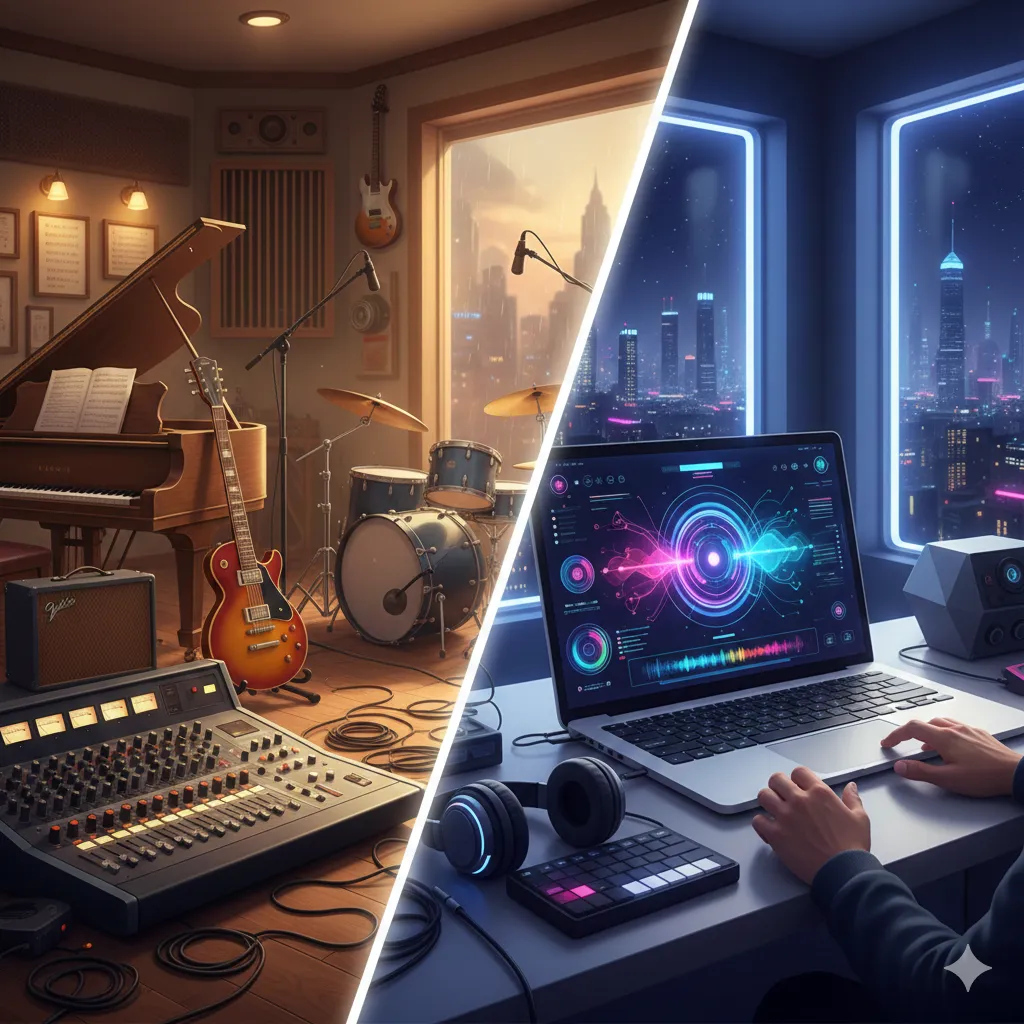
What looks like “cheating” is actually democratization with disruption. AI music tools aren’t replacing musicians. They’re freeing traditional musicians to explore what only they can do (genuine improvisation, live performance energy, deeply personal storytelling) while making song crafting accessible to millions.
A photo of your loved ones isn’t “cheating” compared to a painting. It has value because of what it captures, not how technically difficult it was to create.
Photography itself has evolved dramatically and once again liberated people with the ability to take photos from a mobile phone. Thirty years ago, taking quality photos meant investing in expensive equipment and mastering darkroom chemistry. Today, smartphones produce images that win major photography awards.
The pattern repeats: new technology threatens existing skills, forces redefinition of the art form, and ultimately expands what’s possible.
The Real Question
The “is it cheating?” question is really asking: “Will my specialized skills still have value?”
For some, the honest answer is: less than before. Photography did, in fact, destroy the industry of functional portrait painting.
But the human desire for authentic expression, for connection, and for experiencing another person’s creative vision never disappears. It simply finds new channels.
Decades from now, people won’t care whether we used AI or traditional instruments. They’ll care whether we made something that moved them, challenged them, or simply brightened their day.
The question isn’t whether AI is cheating. The question is: Now that the barriers are gone, what will you choose to create?